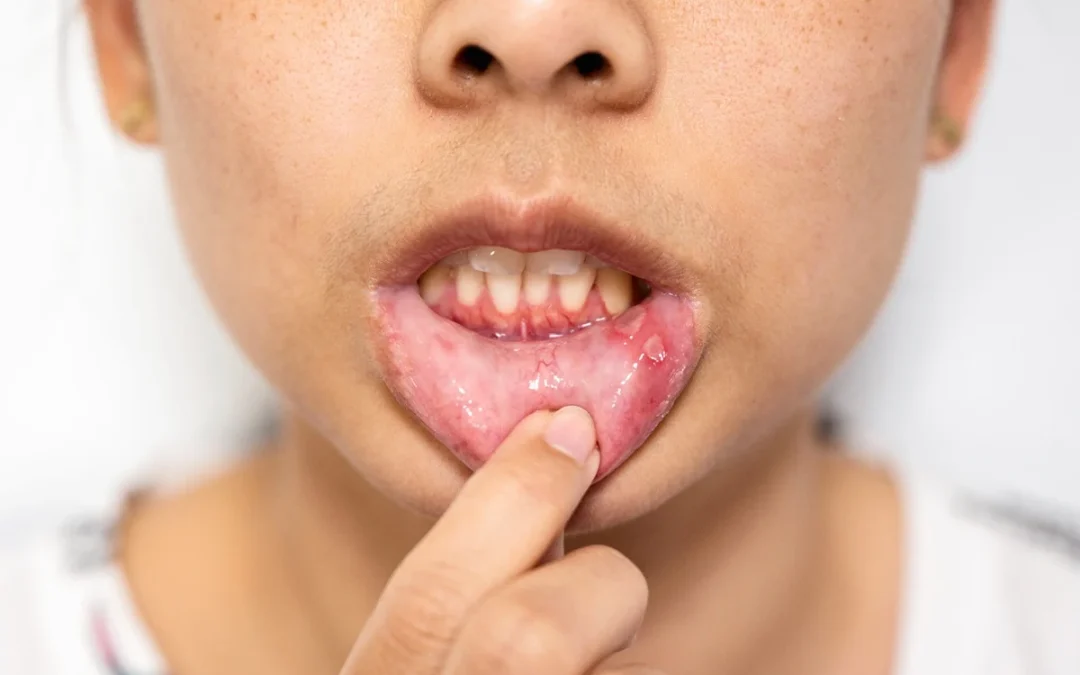
As a parent, it is natural to pay close attention to your child’s smile. While most parents focus on keeping their children’s teeth cavity-free, gum health is equally important. If you have noticed that your child’s gums look red, puffy, or swollen, you may be wondering whether it is something minor or a sign of a more serious dental issue.
Healthy gums should appear firm and pink, without bleeding, tenderness, or swelling. When the gums become inflamed, they are often responding to irritation, plaque buildup, or another underlying condition. Although red and swollen gums are common among children, they should never be ignored because they can affect both oral health and overall comfort.
At Morrow, Lai and Kitterman Tulsa Children’s Dentistry in Tulsa, OK, Dr. Kitterman, Dr. Lai, and Dr. Morrow help families identify the causes of gum problems early and provide treatment designed specifically for growing smiles.
In many cases, red or swollen gums can be treated successfully when addressed promptly. Understanding the potential causes can help parents recognize when it is time to schedule a dental evaluation.
What Do Healthy Gums Look Like?
Before discussing gum problems, it helps to understand what healthy gums should look like. Healthy gums are typically light pink, firm, and fit snugly around the teeth. They should not bleed during brushing or flossing, and children should not experience pain when eating or cleaning their teeth.
When gums become irritated, the body’s immune system responds by increasing blood flow to the area. This often causes redness, swelling, tenderness, and sometimes bleeding. While these symptoms may seem mild initially, they often indicate that the gums need attention.
Many parents are surprised to learn that gum disease can begin at a young age. This is why routine dental visits remain an important part of maintaining children’s oral health as they grow. Visit your nearest dentist for kids in Tulsa at Morrow, Lai and Kitterman Tulsa Children’s Dentistry to detect early signs of gum inflammation before more significant problems develop.
The Most Common Cause: Plaque Buildup
One of the leading causes of red and swollen gums in children is plaque accumulation along the gumline. Plaque is a sticky film of bacteria that continuously forms on the teeth throughout the day.
When plaque is not removed through proper brushing and flossing, it begins to irritate the gums. The body responds by creating inflammation, which can make the gums appear red, swollen, and sensitive.
Children often miss certain areas while brushing, especially along the gumline and around back teeth. Over time, these neglected areas allow bacteria to thrive.
The good news is that plaque-related gum inflammation is usually reversible when caught early. Improving oral hygiene habits and maintaining professional dental cleanings can often restore gum health before permanent damage occurs.
Gingivitis: The Early Stage of Gum Disease
Gingivitis is the earliest stage of gum disease and one of the most common reasons children develop swollen gums.
This condition occurs when plaque and bacteria remain on the teeth long enough to irritate the surrounding gum tissue. Unlike more advanced forms of gum disease, gingivitis typically affects only the gums and does not involve bone loss.
Common signs of gingivitis include:
- Red gums
- Swollen gums
- Bleeding during brushing
- Tenderness
- Persistent bad breath
Because gingivitis often develops gradually, many children may not complain about symptoms. Parents may notice bleeding in the sink after brushing or changes in gum appearance before their child experiences discomfort.
Early intervention is important because untreated gingivitis can worsen over time.
Poor Brushing and Flossing Habits
Children are still developing their oral hygiene skills, which means brushing and flossing may not always be as effective as parents assume.
Some children rush through brushing, while others may skip flossing altogether. Even when brushing occurs twice daily, improper technique can leave plaque behind.
Areas commonly missed include:
- Along the gumline
- Behind the back teeth
- Between teeth
- Around orthodontic appliances
Helping children brush thoroughly and supervising younger children can significantly reduce the risk of gum inflammation.
Creating a consistent routine and making oral hygiene a positive experience often improves long-term habits and gum health.
Erupting Teeth Can Cause Temporary Swelling
Sometimes red or swollen gums are simply part of normal tooth development.
As baby teeth emerge or permanent teeth begin breaking through the gums, localized swelling may occur around the eruption site. This process can cause mild tenderness, redness, and sensitivity.
Children may also:
- Rub their gums frequently
- Chew on objects
- Complain of mild soreness
- Experience temporary discomfort while eating
Although eruption-related swelling is generally normal, excessive swelling or persistent pain should still be evaluated by a dental professional.
Monitoring symptoms helps ensure that a developing tooth is erupting properly and that no infection is present.
Orthodontic Appliances and Gum Irritation
Children with braces, space maintainers, or other orthodontic appliances may be more likely to develop swollen gums.
Orthodontic appliances create additional surfaces where food particles and plaque can accumulate. If these areas are not cleaned carefully, gum inflammation may develop.
Braces can also make brushing and flossing more challenging for children who are still learning proper oral hygiene techniques.
Regular dental and orthodontic visits play an important role in helping children maintain healthy gums throughout orthodontic treatment.
Parents should encourage consistent cleaning habits and follow any hygiene recommendations provided by the dental team.
Nutritional Factors Can Affect Gum Health
Diet plays an important role in maintaining healthy gums. Children who consume excessive sugary snacks and beverages may experience increased plaque accumulation and bacterial growth.
In addition, certain nutritional deficiencies can contribute to gum problems. Vitamins and minerals support healthy tissue repair and immune function throughout the body, including the gums.
A balanced diet that includes:
- Fruits
- Vegetables
- Lean proteins
- Dairy products
- Whole grains
can help support healthy oral tissues and reduce inflammation.
Encouraging healthy food choices benefits not only gum health but overall development as well.
When Red and Swollen Gums May Indicate a More Serious Problem
Although many cases of gum swelling are caused by plaque or mild irritation, some situations require more immediate attention.
Parents should contact a dentist if their child experiences:
- Persistent swelling
- Severe pain
- Gum abscesses
- Fever
- Pus around the gums
- Difficulty eating
- Loose teeth unrelated to normal development
These symptoms may indicate infection or other dental conditions that require professional evaluation.
Prompt diagnosis often leads to simpler and more effective treatment outcomes.
How Dentists Diagnose Gum Problems in Children
When evaluating swollen gums, dentists perform a thorough examination to determine the underlying cause.
The evaluation may include:
- Reviewing symptoms
- Examining the gums
- Assessing oral hygiene habits
- Checking for plaque buildup
- Evaluating tooth development
- Taking dental X-rays if necessary
This comprehensive approach helps identify whether the problem involves gingivitis, erupting teeth, orthodontic concerns, infection, or another condition.
At Morrow, Lai and Kitterman Tulsa Children’s Dentistry, every treatment recommendation is tailored to the child’s age, oral health status, and specific needs.
How Parents Can Help Prevent Swollen Gums
Preventing gum problems often begins with consistent daily care at home. Establishing healthy oral hygiene habits early can significantly reduce the likelihood of inflammation and future dental concerns.
Parents can help by:
- Supervising brushing
- Encouraging daily flossing
- Limiting sugary snacks
- Scheduling regular dental visits
- Replacing toothbrushes regularly
- Promoting healthy nutrition
Small daily habits often make a significant difference in protecting children’s gums and teeth over time.
Consistency is one of the most powerful tools parents have when it comes to preventive dental care.
Protect Your Child’s Smile With Early Dental Care
Red and swollen gums are often a sign that something in the mouth requires attention. Whether the cause is plaque buildup, gingivitis, erupting teeth, or orthodontic appliances, early evaluation helps prevent small issues from becoming larger concerns.
At Morrow, Lai and Kitterman Tulsa Children’s Dentistry in Tulsa, OK, Dr. Kitterman, Dr. Lai, and Dr. Morrow are committed to helping children maintain healthy gums and confident smiles through preventive, restorative, and educational dental care.
If you have noticed redness, swelling, bleeding, or tenderness in your child’s gums, do not wait for the symptoms to worsen. Schedule an appointment today with your dentist for a full dental evaluation and personalized recommendations to support your child’s long-term oral health.
FAQs About child’s gums red and swollen
Q 1.Why are my child’s gums red and swollen?
Red and swollen gums are often caused by plaque buildup, poor brushing habits, gingivitis, erupting teeth, or irritation from orthodontic appliances. A dental evaluation can help determine the exact cause and recommend appropriate treatment.
Q 2. Can children develop gum disease?
Yes. Children can develop gingivitis, which is the earliest stage of gum disease. While it is usually reversible with proper oral hygiene and professional dental care, it should not be ignored because it can worsen over time.
Q 3. Is it normal for gums to swell when new teeth are coming in?
Mild swelling and redness can occur when baby teeth or permanent teeth erupt through the gums. However, severe swelling, pain, or signs of infection should be evaluated by a dentist promptly.
Q 4. When should I take my child to the dentist for swollen gums?
You should schedule a dental visit if the swelling lasts more than a few days, is accompanied by bleeding, pain, bad breath, pus, fever, or if your child has difficulty eating or brushing comfortably.
Q 5. How can I help prevent gum problems in my child?
Encourage your child to brush twice daily, floss every day, eat a balanced diet, limit sugary snacks, and attend regular dental checkups. Consistent oral hygiene and preventive care are the best ways to maintain healthy gums and teeth.