Your child’s smile starts forming long before the first tooth appears. Those early years shape not just oral health, but also confidence, speech, and overall well-being. Many parents wait until something feels wrong, but early dental care builds a strong foundation and prevents bigger issues later. If you’ve been searching for reliable tulsa pediatric dental care, understanding what to expect and why it matters can make all the difference.
Why Early Dental Visits Matter?
Children need dental care sooner than most people think. Dentists recommend a first visit by age one or within six months after the first tooth erupts. Early visits help children feel comfortable in a dental setting and allow dentists to catch small concerns before they grow.
Tooth decay remains one of the most common childhood conditions. It can develop quickly, especially when kids consume sugary snacks or drinks. Regular checkups help prevent cavities and teach children proper habits early in life.
Parents who prioritize tulsa pediatric dental visits often notice fewer dental issues as their children grow. These early steps reduce anxiety and make dental care feel normal rather than stressful.
What Makes Pediatric Dentistry Different?
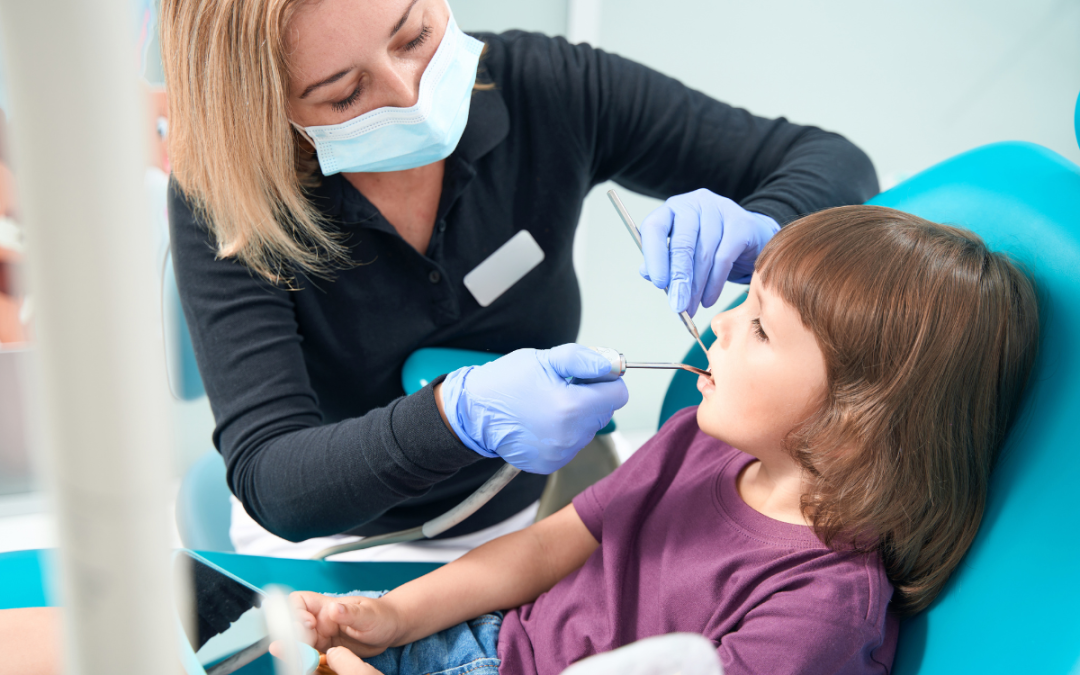
Children aren’t just small adults;they need a different approach. Pediatric dental care focuses on creating a calm, friendly environment where kids feel safe. Dentists use simple language, gentle techniques, and a positive tone to build trust.
Appointments often include:
- Gentle cleanings
- Fluoride treatments
- Growth and development checks
- Guidance on brushing and flossing
- Tips for healthy eating habits
A strong tulsa pediatric dental routine focuses on prevention, not just treatment. That approach helps children avoid discomfort and builds lifelong habits.
Creating Healthy Habits at Home
Daily routines play a major role in your child’s oral health. While dental visits help, what happens at home matters just as much.
Start with brushing twice a day using a soft-bristled toothbrush and a small amount of fluoride toothpaste. For younger children, parents should guide brushing to ensure all surfaces get cleaned properly.
Flossing should begin once teeth start touching. It removes food particles and plaque from areas a toothbrush can’t reach.
Limit sugary snacks and drinks, especially before bedtime. Water works as the best drink between meals.
Families who combine home care with regular tulsa pediatric dental checkups often see healthier smiles and fewer dental treatments over time.
Common Dental Issues in Children
Even with great care, children can face dental challenges. Knowing what to watch for helps parents act quickly.
1. Cavities
Sugar and bacteria create acids that damage tooth enamel. Regular cleanings and proper brushing help prevent decay.
2. Thumb Sucking
This habit can affect tooth alignment if it continues beyond early childhood. Dentists can guide parents on how to manage it.
3. Early Tooth Loss
Losing baby teeth too soon may affect how adult teeth grow in. Dentists monitor spacing and development during visits.
4. Tooth Sensitivity
Children may feel discomfort when eating hot or cold foods. This could signal enamel wear or cavities.
With consistent tulsa pediatric dental care, many of these issues can be addressed early, reducing the need for more involved procedures.
Making Dental Visits Stress-Free
Some children feel nervous before a dental visit. Parents can help by setting a positive tone. Talk about the visit in a simple and calm way. Avoid using words that might create fear.
Reading books or watching videos about dental visits can also help children know what to expect. Scheduling appointments at times when your child feels well-rested makes a big difference.
A welcoming dental environment plays a key role. Pediatric dental teams focus on making visits engaging and comfortable so children leave with a positive experience.
Families who stay consistent with tulsa pediatric dental visits often find that children become more relaxed over time.
The Role of Preventive Treatments
Preventive care protects your child’s teeth and reduces the risk of future problems. Dentists may recommend treatments such as fluoride applications and dental sealants.
Fluoride strengthens enamel and makes teeth more resistant to decay. Sealants create a protective barrier on the chewing surfaces of molars, where cavities often form.
These treatments work alongside daily brushing and regular visits. A strong tulsa pediatric dental plan includes prevention as a key focus.
Supporting Growing Smiles Through Every Stage
Children’s dental needs change as they grow. From baby teeth to permanent teeth, each stage requires attention and care.
- Infants and Toddlers: Focus on teething, early hygiene, and habit guidance
- Young Children: Emphasize brushing routines and cavity prevention
- Pre-Teens: Monitor alignment and prepare for orthodontic needs
Regular visits ensure that each stage receives the right level of care. A consistent tulsa pediatric dental approach supports healthy development from the very beginning.
Why Consistency Matters?
Skipping dental visits may not seem like a big deal at first, but small issues can turn into bigger concerns quickly. Regular checkups allow dentists to monitor changes, track growth, and provide timely care.
Consistency also builds familiarity. Children who visit the dentist regularly feel more comfortable and develop trust over time. That comfort can last into adulthood, making dental care a natural part of life.
Choosing a trusted provider for tulsa pediatric dental care helps families stay on track and avoid unnecessary complications.
FAQs On Tulsa Pediatric Dental
1. When should my child first visit a dentist?
Schedule the first visit by age one or when the first tooth appears. Early visits help detect issues and build comfort with dental care.
2. How often should children have dental checkups?
Most children should visit every six months. Regular visits help maintain oral health and prevent problems.
3. What can I do if my child feels nervous about dental visits?
Keep conversations positive and simple. Choose a child-friendly environment and schedule visits at a relaxed time of day.
4. Are baby teeth really that important?
Yes, baby teeth guide permanent teeth and support speech and chewing. Keeping them healthy prevents future issues.
5. How can I prevent cavities in my child’s teeth?
Encourage brushing twice daily, limit sugary snacks, and schedule regular dental visits for cleanings and checkups.
6. What are dental sealants, and do kids need them?
Sealants protect the chewing surfaces of teeth from decay. Dentists often recommend them for children as a preventive measure.
7. How do I know if my child needs orthodontic care?
Dentists monitor alignment during routine visits. They may suggest an evaluation if they notice spacing or bite concerns.
Helping your child build healthy dental habits today sets the stage for a lifetime of confident smiles. With the right care, guidance, and consistency, families can feel confident about their child’s oral health every step of the way.