When it comes to your child’s dental health, prevention is key. Dental sealants are an effective way to protect young teeth from cavities. But what are they, and are they suitable for your child? Let’s dive into the details!
What Are Dental Sealants?
Dental sealants are thin plastic coatings applied to the chewing surfaces of molars. These surfaces have tiny grooves and pits that can trap food particles and bacteria. Sealants fill in these crevices, creating a smooth surface that’s easier to clean. They serve as a barrier, preventing cavities from forming.
How Do Sealants Work?
Sealants work by sealing the grooves and pits of molars. When applied, the sealant bonds directly to the enamel, creating a protective layer. This layer keeps food and bacteria from getting stuck in the tiny crevices. With proper care, sealants can last several years, providing long-term protection.
Benefits of Dental Sealants
There are many benefits to getting dental sealants for your child:
- Cavity Prevention: Sealants significantly reduce the risk of cavities in molars, which are most prone to decay.
- Cost-Effective: Preventing cavities with sealants can save money in the long run. Treating a cavity can be much more expensive than applying sealants.
- Quick and Painless: The application process is quick and painless. Your child won’t need anesthesia, making it a stress-free experience.
- Improved Oral Hygiene: With fewer cavities, your child can maintain better oral hygiene. This sets them on the path to a lifetime of healthy teeth.
Who Should Get Sealants?
Dental sealants are most effective for children, especially those between the ages of 6 and 14. This is when their molars emerge and are most vulnerable to cavities. However, adults can also benefit from sealants if they have deep grooves in their teeth.
The Application Process
Getting dental sealants is a straightforward process:
- Cleaning: The dentist cleans your child’s teeth to remove plaque and debris.
- Drying: The teeth are dried, ensuring the sealant adheres properly.
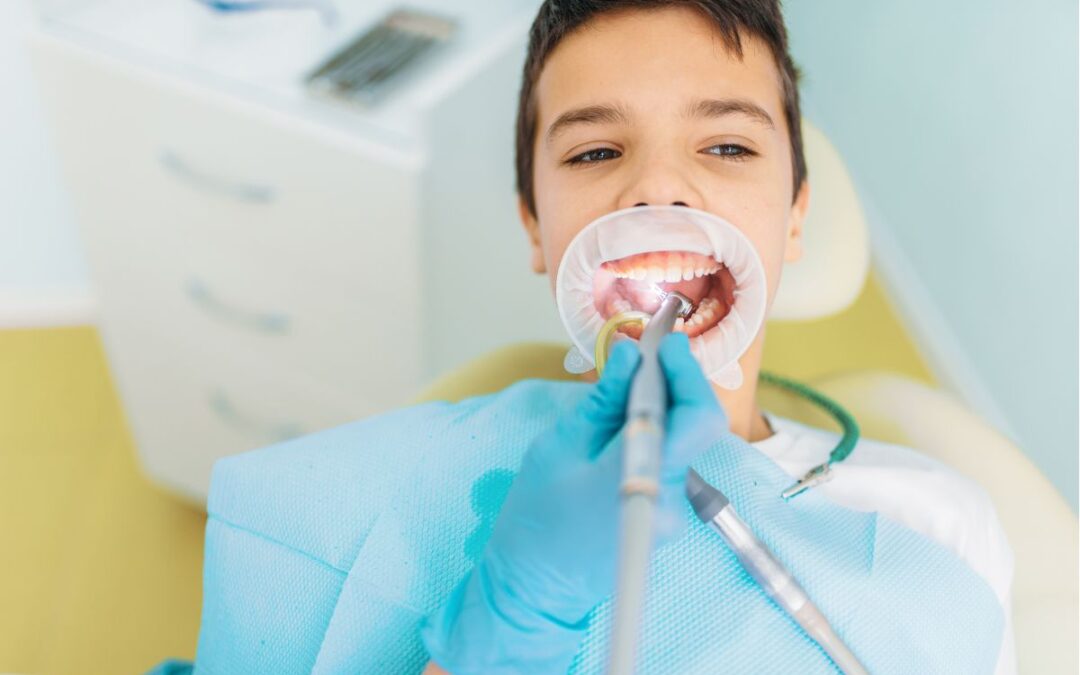
- Application: The sealant is painted onto the teeth and allowed to harden. Some sealants even use a special light to speed up the hardening process.
- Check: The dentist checks to ensure the sealants are correctly applied and provide the necessary protection.
Maintenance of Dental Sealants
After your child receives sealants, regular dental check-ups are essential. Your pediatric dentist in Tulsa will monitor the sealants during routine visits. If they chip or wear down, the dentist can reapply or repair them easily.
Are Sealants Right for Your Child?
The decision to get dental sealants should be based on your child’s dental health. If they are prone to cavities or have deep grooves in their teeth, sealants can be a great option. Discuss with your pediatric dentist in Tulsa to determine if sealants are suitable for your child.
Conclusion
In summary, dental sealants are a practical preventive measure for children’s dental health. They protect against cavities, are easy to apply, and last for several years. By choosing dental sealants, you’re investing in your child’s smile and future oral health. Consult with your pediatric dentist in Tulsa to see if sealants are right for your little one.