Pediatric Dental Emergencies
If you face a dental emergency, give us a call immediately. If you need urgent treatment after hours, you can call our emergency number. We are always here to assist when your child’s dental health is at risk. Below are tips on dealing with urgent dental situations; you may want to display this list on your refrigerator or store it near your emergency phone numbers for easy reference.
Bitten Lip or Tongue
If your child has bitten his lip or tongue severely enough to cause bleeding, clean the bite gently with water and use a cold compress (a cold, wet towel or washcloth pressed firmly against the area) to reduce or avoid swelling. Give us a call to help determine how serious the bite is.
Object Caught In Teeth
If your child has something caught between his teeth, use dental floss to gently remove it. Never use a metal, plastic, or sharp tool to remove a stuck object. If you are unable to remove the item with dental floss, give us a call.
Broken, Chipped, or Fractured Tooth
If your child has chipped or broken a piece off of his tooth, have him rinse his mouth with warm water, then use a cold compress to reduce swelling. Try to locate and save the tooth fragment that broke off. Call us immediately.
Knocked Out Tooth
If your child’s tooth has been knocked out of his mouth, find the tooth and rinse it with water (no soap), taking care to only touch the crown of the tooth (the part you can see when it’s in place). If you can, place the tooth back in its socket and hold it in place with a clean towel or cloth. If you can’t return the tooth to its socket, place it in a clean container with milk. In either case, call us immediately and/or head to the hospital. If you act quickly it’s possible to save the tooth.
Loose Tooth
If your child has a very loose tooth, it should be removed to avoid being swallowed or inhaled.
Toothache
If your child complains of a toothache, rinse his mouth with warm water and inspect his teeth to be sure there is nothing caught between them. If pain continues, use a cold compress to ease the pain. Do not apply heat or any kind of aspirin or topical pain reliever directly to the affected area, as this can cause damage to the gums. Children’s pain relievers may be taken orally. Schedule an appointment immediately.
Avoiding Injury
You can help your child avoid dental emergencies. Childproof your house to avoid falls. Don’t let your child chew on ice, popcorn kernels, or other hard foods. Always use car seats for young children and require seat belts for older children. And if your child plays contact sports, have him wear a mouthguard. Ask us about creating a custom-fitted mouthguard for your child. Finally, prevent toothaches with regular brushing, flossing, and visits to our office.
Building Healthy Smiles Early: A Parent’s Guide to Children’s Dental Care
Your child’s smile starts forming long before the first tooth appears. Those early years shape not just oral health, but also confidence, speech, and overall well-being. Many parents wait until something feels wrong, but early dental care builds a strong foundation...
Building Healthy Smiles Early: What Every Parent Should Know About Children’s Dental Care
Your child’s smile changes quickly. One day you notice their first tooth, and before you know it, they’re heading to school with a full set of growing teeth. Along the way, daily habits, diet, and routine care shape their oral health for years to come. Many parents...
Everyday Habits That Could Be Hurting Your Child’s Smile
A child’s smile can light up a room, but daily habits can slowly take a toll on their teeth without you even noticing. From snack choices to brushing routines, small actions throughout the day can lead to cavities, enamel wear, and gum concerns over time. Many parents...

Pediatric Dentist in Tulsa: A Parent’s Guide to Building Healthy Smiles Early
A child’s smile is constantly growing and changing, making early dental care an essential part of their overall health. From the first baby tooth to the transition into permanent teeth, each stage requires attention and guidance. Establishing good dental habits early...

Pediatric Dentist: A Parent’s Guide to Raising Healthy, Confident Smiles
A child’s smile tells a story of growth, curiosity, and development. From the first tiny tooth to a full set of permanent teeth, each stage brings new changes-and new responsibilities for parents. Dental care during childhood is not just about preventing cavities;...
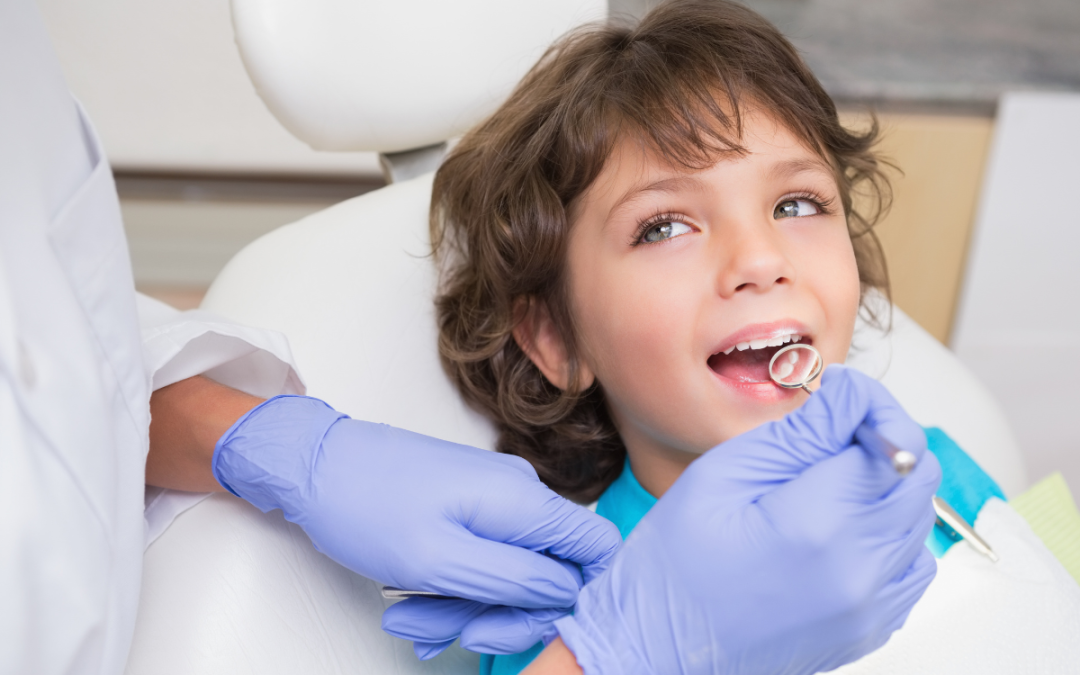
How Pediatric Dentistry Services In Tulsa Help Create Lifelong Healthy Smiles?
When it comes to your junior’s well-being, dental care is one of the most important, yet often overlooked, aspects. Establishing healthy oral habits early does more than prevent cavities, as it lays the foundation for a lifetime of strong, confident smiles. Pediatric...

Is Thumb Sucking Hurting Your Child’s Teeth? A Guide for Tulsa Parents
Thumb sucking is a natural habit for many infants and toddlers, providing them with comfort and security. However, as children grow, Tulsa parents often wonder whether thumb sucking could be damaging their child’s teeth. For families in Tulsa, particularly those in...

What Is the 3-3-3 Rule for Brushing Teeth for Kids?
Most parents know they're supposed to help their kids brush their teeth. But knowing how to make that habit stick — and whether their child is actually doing it correctly — is a different challenge entirely. If you've ever timed your child's brushing session and...

How Does the Rule of 4 Work in Pediatric Dentistry?
If you're a parent in Tulsa, OK, you've probably wondered how often your child really needs to see the dentist, what happens at each visit, and whether all those appointments are truly necessary. The answer lies in a simple but powerful concept known as the Rule of 4...

Why Tulsa Families Trust Pediatric Dentists for Their Children’s Smiles
Every parent in Tulsa wants the best for their child, especially when it comes to their health and happiness. Your child's smile is precious, and finding a dental home you can trust makes all the difference. That's why so many families across Tulsa, Bixby, and...